

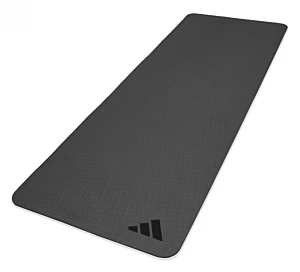

Yoga mats
Non-slip, durable and sustainable yoga mats for every style – from Hatha to Vinyasa to Yin yoga. Discover premium brands, eco-friendly materials and accessories for your practice. Free shipping in Switzerland on orders over 50 CHF.
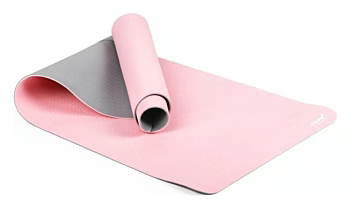
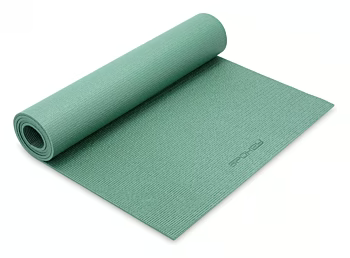
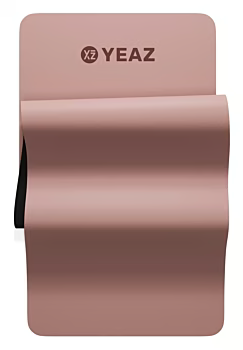
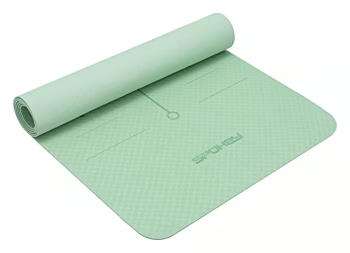
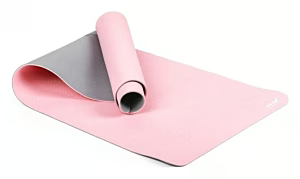
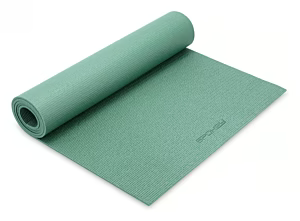
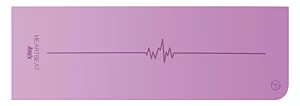
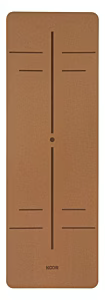
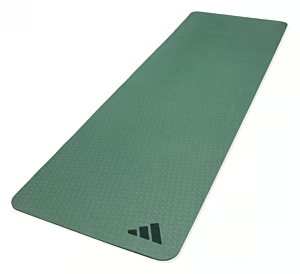
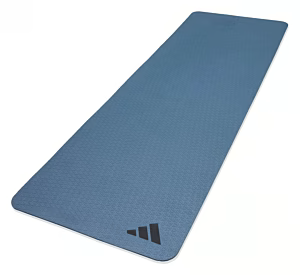
In this category you will find a wide selection of yoga mats for every requirement – from lightweight travel yoga mats to thick comfort mats and non-slip professional mats for hot yoga and Ashtanga. Leading brands such as Manduka, JadeYoga, Liforme and Gaiam offer mats in different thicknesses, materials and colours to suit your personal yoga style. Whether you practice in the studio, at home or outdoors: a suitable yoga mat is the foundation for stable and safe training.
Whether you want to buy a new yoga mat, replace your old one or find a suitable gift for yoga enthusiasts: our range covers natural rubber mats, TPE mats, cork mats and PU-coated models. This way you can quickly find the right mat for Hatha, Vinyasa, Yin yoga, hot yoga or Pilates – ordered easily from home and delivered promptly.
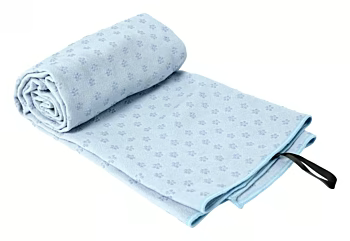
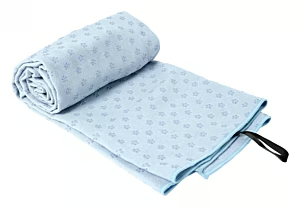
For gentle yoga types such as Yin or Restorative yoga, a thicker, softer mat (6 mm and above) is ideal, providing good cushioning for joints and spine. For dynamic styles like Vinyasa or Ashtanga, non-slip mats with strong grip are recommended, for example made of natural rubber or with a PU surface. Hot yogis reach for mats with a microfibre layer that absorbs moisture while still providing secure grip. Travel yoga mats are particularly thin (1.5–3 mm) and can be folded or rolled up easily – perfect for the way to the studio or on trips.
Yoga mats are made from various materials that differ in grip, cushioning and environmental footprint. Natural rubber scores with non-slip properties, durability and sustainability. TPE (thermoplastic elastomer) is lighter and PVC-free, therefore often more economical in material use. PU-coated mats absorb sweat particularly well and are the first choice for hot yoga. Cork mats feel natural, are antibacterial and offer a distinctive look. Choose the material that suits your practice style and your ecological standards.
| Brand | Known for | Ideal for | Price Segment |
|---|---|---|---|
| Manduka | Durability, closed-cell PRO mats | Hatha, Vinyasa, professionals | Premium |
| JadeYoga | Natural rubber, strong non-slip grip | Dynamic yoga, Ashtanga | Mid – Premium |
| Liforme | AlignForMe lines, PU layer | Alignment-focused, hot yoga | Premium |
| Gaiam | Wide range, entry-level mats | Yoga beginners, home training | Entry – Mid |
| YOGABODY | Traction systems, innovative grip technology | Hot yoga, heavy sweaters | Mid – Premium |
| B Yoga | Long lifespan, matte surface | Demanding alignment, daily practice | Mid – Premium |
| Lotuscrafts | Cork mats, eco-friendly raw materials | Sustainability-oriented yogis | Mid |
| YOGISTAR | Colourful designs, solid entry-level models | Families, casual yoga | Entry – Mid |
Yoga mats are the central accessory for anyone who practices yoga – regardless of age and level. They are suitable for beginners looking for a stable base, for advanced practitioners who value high-quality materials and alignment aids, as well as for hot yoga fans who rely on a sweat-proof surface. Yoga mats are also frequently used for Pilates, floor training, meditation and physiotherapy, making them a versatile investment for home fitness.
To ensure your yoga mat lasts a long time, you should wipe it down with a damp cloth after every training session and occasionally clean it with a mild soapy solution. Avoid direct sunlight and harsh cleaners that can damage the material. Store the mat rolled up or flat in a dry place. High-quality natural rubber mats are particularly easy to care for and retain their grip for years – an investment in your health and your practice.
Please complete your information below to login.
Sign In
Create New Account