


Hydration systems
Hydration bladders, hydration packs, and hydration systems for outdoor, hiking, trail running, and mountain tours
In this category you'll find hydration systems for every outdoor activity – from lightweight hydration vests for trail running to robust hydration bladders for multi-day hikes to insulated systems for year-round use. Brands such as CamelBak, Source, Deuter, Osprey, and Salomon offer a wide selection of hydration solutions so you stay reliably supplied with fluids even on long tours – with fast delivery throughout Switzerland and the Principality of Liechtenstein.
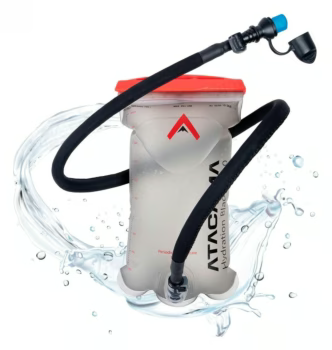
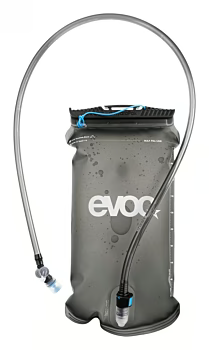
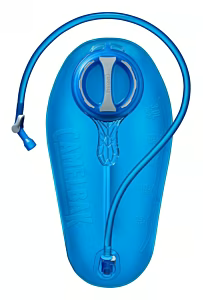
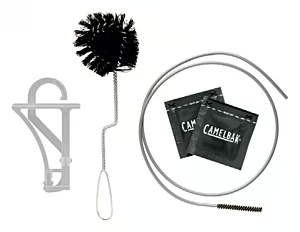
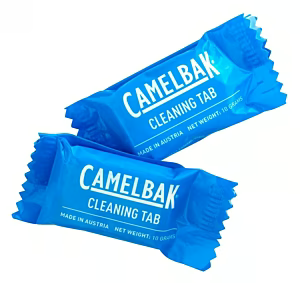
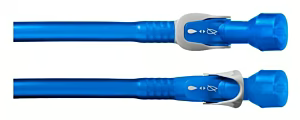
Whether you're looking for a hydration system for your next hike, a hydration vest for a trail running competition, or a replacement bladder for your trusted backpack: the range includes hydration bladders in various sizes, complete hydration packs, drinking tubes, bite valves, and cleaning sets. This way, as a hiker, runner, or outdoor enthusiast, you'll quickly find the right hydration gear – conveniently from home.
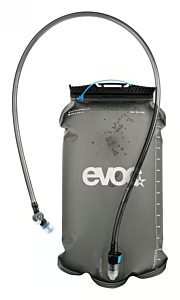
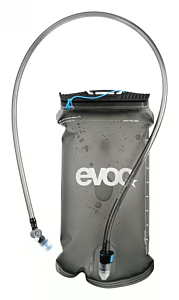
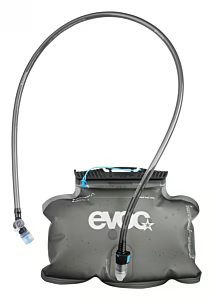
For short excursions and easy runs, compact hydration bladders with 1.5 liters are ideal. For day tours and extended hikes, 2 to 3 liters is the most common volume. Multi-day tours and hot conditions often require 3-liter systems or combining multiple bladders. Models with wide openings can be filled faster and cleaned more easily, while insulated tubes maintain the water temperature better in heat and cold.
Hydration packs combine storage space with an integrated hydration system and are ideal for day hikes and bikepacking. Hydration vests are particularly lightweight, close-fitting, and optimal for trail running and fast mountain tours where every gram counts. Brands such as Salomon and Osprey offer specialized models with well-designed carrying systems and minimal volume with maximum functionality.
| Brand | Known for | Ideal for | Price segment |
|---|---|---|---|
| CamelBak | Pioneer of hydration systems, wide range | Hikers, bikers, all-round outdoor | Mid-range – Premium |
| Source | Antimicrobial hydration bladders, robust construction | Trekking, travel, military | Mid-range |
| Deuter | Hydration packs with excellent ergonomics | Hikers, alpinists | Mid-range – Premium |
| Osprey | Lightweight hydration vests, high-quality materials | Trail runners, mountaineers | Premium |
| Salomon | Running vests with hydration system, minimal weight | Trail runners, ultra runners | Premium |
| Evoc | Bike backpacks with hydration system, back protector | Mountain bikers, enduro riders | Mid-range – Premium |
| Hydrapak | Flexible hydration bladders, detachable tube ends | Multi-sport, trail running | Entry-level – Mid-range |
| Gregory | Comfortable trekking backpacks with hydration system compartment | Trekking, multi-day tours | Mid-range – Premium |
Hydration systems are ideal for hikers, trail runners, mountaineers, mountain bikers, and all outdoor athletes who want to drink efficiently and without interruption on the go. Hydration bladders also offer a practical alternative to traditional bottles for travel, festivals, and everyday use. Beginners benefit from complete sets, while experienced users appreciate specialized individual components and spare parts.
When buying a hydration system, it's worth paying attention to BPA-free materials, taste-neutral inner coatings, and easy-care constructions. Wide openings make cleaning easier, while antimicrobial treatments prevent germ growth. After every tour, the system should be thoroughly dried to prevent mold – this keeps the hydration system hygienic and ready for use for years.
Please complete your information below to login.
Sign In
Create New Account