
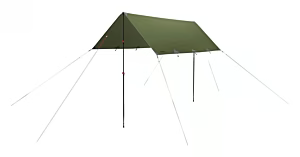

Tarps
Versatile tarps for camping, trekking, bushcraft and outdoor adventures – lightweight weather protection for flexible pitching.
In this category you will find high-quality tarps for camping, hiking, trekking and bushcraft – from ultralight silnylon tarps for minimalists and robust polycotton models for the bushcraft camp to versatile group tarps in various sizes. Whether you are looking for lightweight rain protection for solo trips, a reliable tarp for family outings or weatherproof material for year-round outdoor use: the selection offers suitable tarps for beginners and experienced outdoor fans with fast delivery to Switzerland and the Principality of Liechtenstein.
A tarp is one of the most versatile and lightest weather protection solutions for on the go. It replaces or complements the traditional tent and impresses with its small pack size, flexible pitching options and weatherproof protection against rain, wind and sun. Whether as a sleeping shelter on trekking tours, as a cooking and living area for bushcraft or as a sunshade by the lake – tarps can be individually adapted to the surroundings and weather conditions and are an indispensable piece of basic equipment for outdoor enthusiasts.
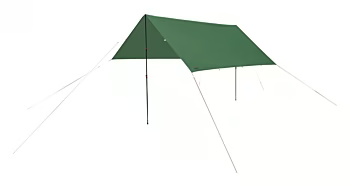
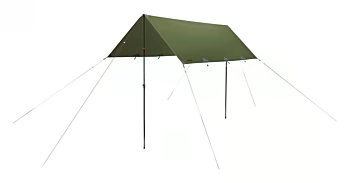
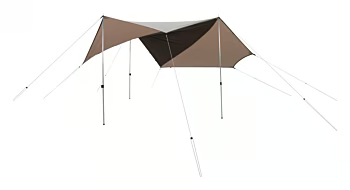
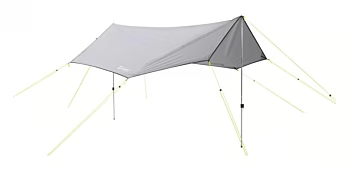
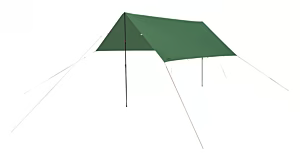
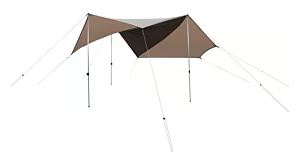
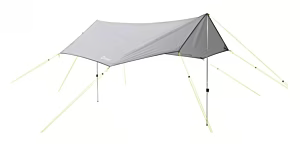
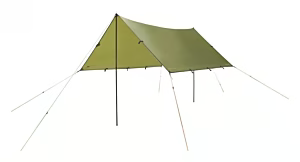
Tarps come in various shapes and configurations: classic rectangular and square tarps offer maximum flexibility for countless pitching options, while special catenary-cut tarps with their curved edges enable a particularly taut and wind-stable pitch. Flat tarps can be pitched in A-frame, lean-to or diamond configurations and adapt to any terrain situation. For groups and base camps, larger tarps are suitable, under which several people plus equipment can find space. With a little practice, perfectly tensioned weather protection constructions for every outdoor situation can be created quickly.
Modern tarps are made from high-quality materials that offer different advantages depending on the area of use: silicone-coated nylon – silnylon for short – is lightweight, tear-resistant and waterproof and is perfectly suited for trekking and ultralight tours. Polyester tarps with a PU coating score points with good UV resistance and low stretch when damp. Bushcraft tarps made from polycotton blend fabric are breathable, particularly robust and spark-resistant, making them ideal for working with open fires. For demanding ultralight enthusiasts, Dyneema composite tarps with maximum weight savings are also available. In addition to the material, sealed seams and a sufficiently high hydrostatic head for reliable moisture protection are important.
| Brand | Known for | Ideal for | Price segment |
|---|---|---|---|
| DD Hammocks | Versatile tarps & hammocks | Bushcraft, camping, hammock setups | Entry – Mid |
| Aqua Quest | Particularly waterproof tarps | Rainy regions, year-round use | Mid |
| Robens | Robust outdoor equipment | Camping, trekking, base camps | Mid |
| Vaude | Sustainable outdoor products | Trekking, mountain tours, environmentally conscious buyers | Mid – Premium |
| Sea to Summit | Ultralight & compact equipment | Ultralight trekking, minimalists | Mid – Premium |
| MSR | High-performance outdoor equipment | Expeditions, alpine tours, demanding terrain | Premium |
| Tatonka | Hard-wearing tarps & tents | Bushcraft, scouts, outdoor groups | Entry – Mid |
| Nordisk | Scandinavian design & comfort | Glamping, relaxed outdoor living, camping | Mid – Premium |
Tarps are ideal for trekking fans, ultralight hikers, bushcraft enthusiasts and all outdoor lovers who appreciate flexible and lightweight weather protection. They are suitable for solo campers as well as for groups looking for a shared shelter. Tarps also provide excellent service as a supplement to the tent – for example as a weather-protected cooking and living area. Thanks to the many pitching options, they adapt to any environment and are equally suitable for short weekend trips, multi-day trekking tours and extended bushcraft stays in nature.
The material and its properties are crucial: hydrostatic head, tear resistance and weight should match the intended use. For trekking and long tours, every gram counts and pack size should be as small as possible, while in the bushcraft sector, robustness and breathability may be more important. The size of the tarp should also be considered – with or without an additional bivy bag – as well as the equipment needed for pitching. Guy lines, pegs and possibly tarp poles are part of the basic kit and affect the total weight and flexibility of the setup.
Please complete your information below to login.
Sign In
Create New Account