Samen Mauser Wild Carrot – Seeds for natural garden and wild herb bed
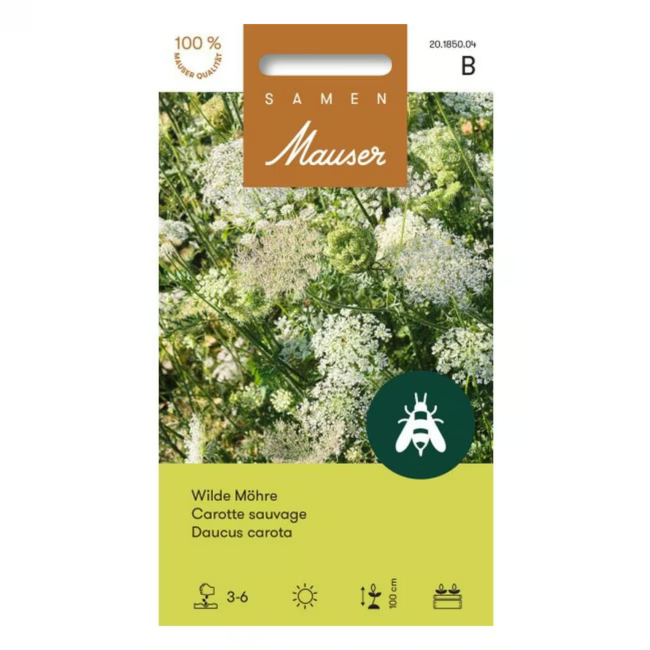
Wild carrot (Daucus carota) is a native wild plant and the ancestor of our cultivated carrot. With these seeds from Samen Mauser, you can establish wild carrot in your garden or wildflower meadow.
Promotes biodiversity: The white umbels are a valuable food source for bees, butterflies, and other insects.
Easy cultivation: Sow from March to June directly outdoors in a sunny to partially shaded location.
Long flowering period: From June to September, wild carrot delights with its decorative flowers and later with characteristic bird's nest seed heads.
Low-maintenance and hardy: The biennial plant requires little care and often self-seeds.
Versatile use: Young leaves can be used as wild greens, the root is edible – however, avoid confusion with poisonous umbellifers.
What sets wild carrot apart
Unlike many exotic ornamental plants, wild carrot is perfectly adapted to the Central European climate. It thrives on poor soils and needs neither fertilizer nor special care. Its flowers are highly popular with insects, and the dried seed heads make an attractive winter decoration.
Ideal for...
These seeds are ideal for hobby gardeners who want to make their garden more natural. Also suitable for wildflower meadows, cottage gardens, or as an ecological compensation area on the balcony – wild carrot even grows well in a pot.
How to use wild carrot
Sow the seeds from March to June directly in place. Press the seeds lightly, cover them thinly with soil, and keep the area moist. After germination, thin the seedlings to a spacing of 20–30 cm. In the first year, a leaf rosette forms; in the second year, the flower stalk appears. After seed ripening, the plant dies but often self-seeds.
Samen Mauser is a Swiss seed producer based in Bubikon. The company offers a wide range of seeds for flowers, vegetables, and herbs. The seeds are produced under strict quality controls and are optimized for cultivation in Central European climates.
Wild carrot (Daucus carota) is a native wild plant and the ancestor of the cultivated carrot. It is biennial, forming a leaf rosette in the first year and a flower stalk in the second year with white umbels.
Sow directly outdoors from March to June. Cover the seeds thinly with soil and keep them moist regularly.
Wild carrot prefers a sunny to partially shaded location with well-drained, poor soil. It also tolerates less fertile soils.
The flowering period extends from June to September. The white umbels are an important food source for insects.
Yes, wild carrot is hardy and survives the winter easily. In the second year, it regrows and flowers.
Subscribe to the newsletter
New arrivals, promotions and exclusive offers — straight to your inbox.



Please complete your information below to login.
Sign In
Create New Account